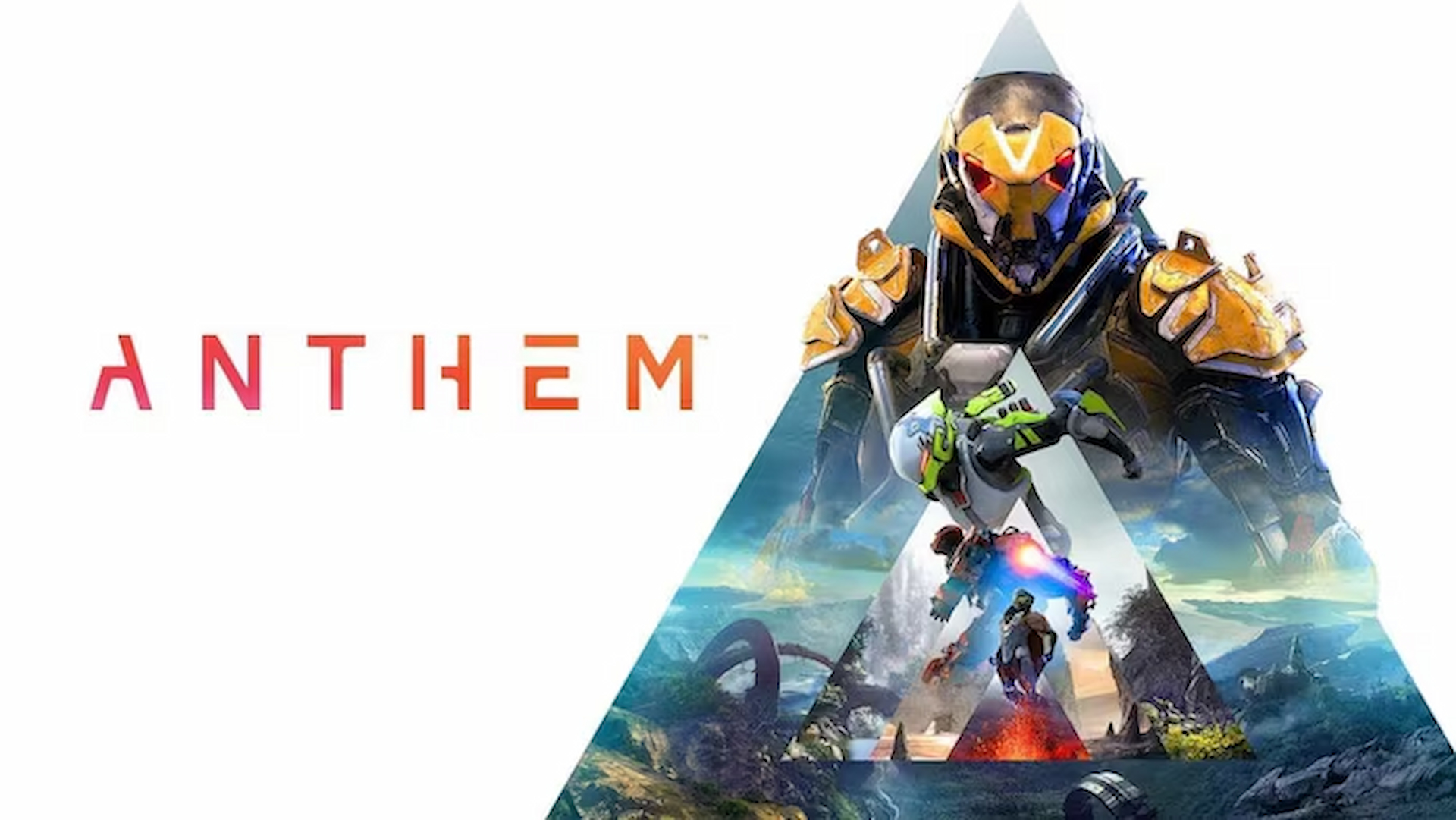
Why Anthem’s Shutdown Proves Live-Service Games Are a Long-Term Risk
Sat Jan 17 2026
Why Anthem’s Shutdown Proves Live-Service Games Are a Long-Term Risk
Anthem didn’t fail because it launched rough or struggled to find its footing. Plenty of games have recovered from worse. What ultimately killed it was something deeper and harder to fix: it was built on the assumption that its future would always be there.
When EA shut Anthem down for good in January 2026, it felt less like a surprise and more like a quiet confirmation. Players have sensed this shift for years. Live‑service games promise permanence, but they’re increasingly designed around timelines that can disappear the moment the numbers stop working.
Anthem Was Built Around Continuity, Not Completion
Anthem was never meant to be “finished.” Its systems only made sense if you stayed. Progression stretched forward. Gear chased marginal gains. Story beats were spaced out instead of resolved. Even the game’s strongest feature—movement—was designed to support long sessions repeated endlessly over time.
That design choice wasn’t wrong on its own. The problem was that it depended on years of sustained support, steady engagement, and continued belief from its publisher. Once any of those wavered, the foundation started to crack.
Anthem didn’t need one big fix. It needed a future. And that future was always optional.
Why Live‑Service Games Collapse Faster Than They Appear
On paper, live‑service games look unbeatable. One successful title can generate revenue for years, reduce reliance on constant new releases, and keep players locked into an ecosystem. From a distance, it looks efficient.
Up close, it’s exhausting.
Live‑service games don’t get to rest. Content delays are felt immediately. Balance issues linger longer because systems can’t reset. Technical debt piles up while expectations keep rising. Every season has to justify its own existence.
Eventually, there’s a moment where the math flips. The cost of keeping the game alive outweighs what it’s bringing in. When that happens, no amount of community goodwill can save it.
Anthem reached that point quietly.
Shutdowns Aren’t Shocking Anymore—They’re Predictable
Anthem’s closure wasn’t unique. It followed a familiar pattern shared by many modern live‑service games. Once engagement dips below a critical line, everything becomes fragile.
Unlike traditional games, these titles can’t simply be left alone. Servers, security updates, support teams, and legal obligations all keep ticking in the background. A shrinking audience doesn’t just mean fewer players—it means a growing liability.
When publishers shut these games down, they aren’t reacting emotionally. They’re responding to a model that stopped making sense.
The Real Cost Is Trust
Players don’t just lose access when a live‑service game shuts down. They lose confidence.
Time spent grinding, learning systems, or building identity inside a game only feels worthwhile if that space is stable. When shutdowns become routine, players start treating every live‑service world as temporary, no matter how it’s marketed.
Anthem reinforced that skepticism. Not because it failed, but because it proved how easily access can vanish once priorities change.
The Industry Is Already Adjusting
Despite the marketing language still surrounding live‑service games, the industry’s behavior tells a different story.
Publishers are consolidating. Risk tolerance is shrinking. Fewer experimental live‑service projects are being approved, and more games are being built with clear off‑ramps. Even successful titles are designed with contingency plans in place.
Anthem wasn’t an exception. It was an early signal.
What This Means for Players
The takeaway isn’t that live‑service games should be avoided outright. It’s that they should be approached with clearer expectations.
They aren’t permanent worlds. They’re ongoing arrangements.
Some are absolutely worth your time while they last. But the safest experiences remain the ones that can stand on their own, even if support ends tomorrow.
Anthem promised something long‑term. What it ultimately showed is that longevity in modern gaming is never guaranteed. Access is conditional. And conditions can always change.
For more in-depth analysis of gaming systems and community culture, check out Are Loot Boxes Finally on the Way Out? or dive into our feature on Sony's Cloud Strategy.